Table of Content
In-home care can prevent senior isolation by providing consistent companionship, facilitating social outings, assisting with technology-based communication, and reintroducing meaningful daily activities. By bringing both practical support and human connection into the home, caregivers reduce loneliness while helping seniors stay emotionally engaged, mentally active, and connected to the world around them.
Social isolation is a silent epidemic among the elderly that often leads to serious physical and mental health decline, yet it frequently goes unnoticed until significant damage is done. While in-home care is typically associated with medical assistance or help with daily chores, its ability to provide meaningful human connection is equally vital.
How Does Regular Companionship Provide a Social Safety Net?
Consistent companionship creates a dependable social presence that counters the emotional effects of living alone. The most immediate benefit of in-home care is the presence of another person. For many seniors living alone, days can pass without a single conversation, which creates a profound sense of loneliness. A professional caregiver fills this void simply by being there.
This relationship often transcends the clinical boundaries of client and provider. Caregivers become reliable companions who listen to stories, share meals, and engage in genuine conversation. This consistent interaction keeps the mind active and provides emotional stability. It ensures a senior feels seen and heard, validating his or her worth and preventing the feeling of invisibility that often accompanies aging. Knowing someone is coming to visit—even if it’s a paid service—gives the day structure and offers seniors something to look forward to, which is a powerful antidote to depression.
Respite care can be a wonderful solution for Milwaukee families when their aging loved ones need companionship and socialization a few hours a week or just need minor assistance with daily household tasks. At Assisting Hands Home Care, we thrive on helping seniors maintain their independence while living in the comfort of home.
Can Caregivers Bridge the Gap to the Outside World?
Caregivers reconnect seniors to their communities by overcoming mobility and transportation barriers. One of the primary drivers of senior isolation is the loss of mobility. When driving becomes unsafe or public transportation is too difficult to navigate, seniors often retreat into their homes. This confinement severs ties with their community, friends, and religious organizations.
In-home caregivers solve this logistical hurdle by providing reliable transportation and accompaniment. They act as a bridge back to the community, facilitating outings that might otherwise be impossible. This support includes:
- Driving to social appointments – Ensuring seniors can attend lunch dates with friends, club meetings, or church services
- Assisting with errands – Turning grocery shopping or pharmacy runs into social outings rather than stressful chores
- Providing physical support – Offering a steady arm for walking in parks or attending local events, reducing the fear of falling that keeps many seniors indoors
Whether you need respite from your caregiving duties or your aging loved one needs Milwaukee live-in care, Assisting Hands Home Care can meet your family’s care needs. From assistance with mobility and exercise to providing transportation to the doctor’s office and social events, there are a variety of ways professional caregivers can help your aging loved one continue to live independently.
How Does Assistance with Technology Foster Connection?
Technology assistance helps seniors maintain relationships when in-person contact is limited. In the modern era, staying connected often means going digital. However, the digital divide is real for many older adults who may find smartphones, tablets, and computers intimidating or physically difficult to use due to arthritis or vision impairment. This lack of digital literacy can leave them feeling disconnected from children and grandchildren who communicate primarily through texts or video calls.
Caregivers can serve as technical translators and facilitators. They can set up video calls on platforms like Zoom or FaceTime, ensuring seniors can see the faces of their loved ones even if they live miles away. They can also assist with replying to emails, viewing photos on social media, or navigating news sites. By removing the frustration of technology, caregivers open up a vast channel of communication that keeps seniors integrated into the modern family dynamic.
Why Is Reviving Hobbies Essential for Mental Health?
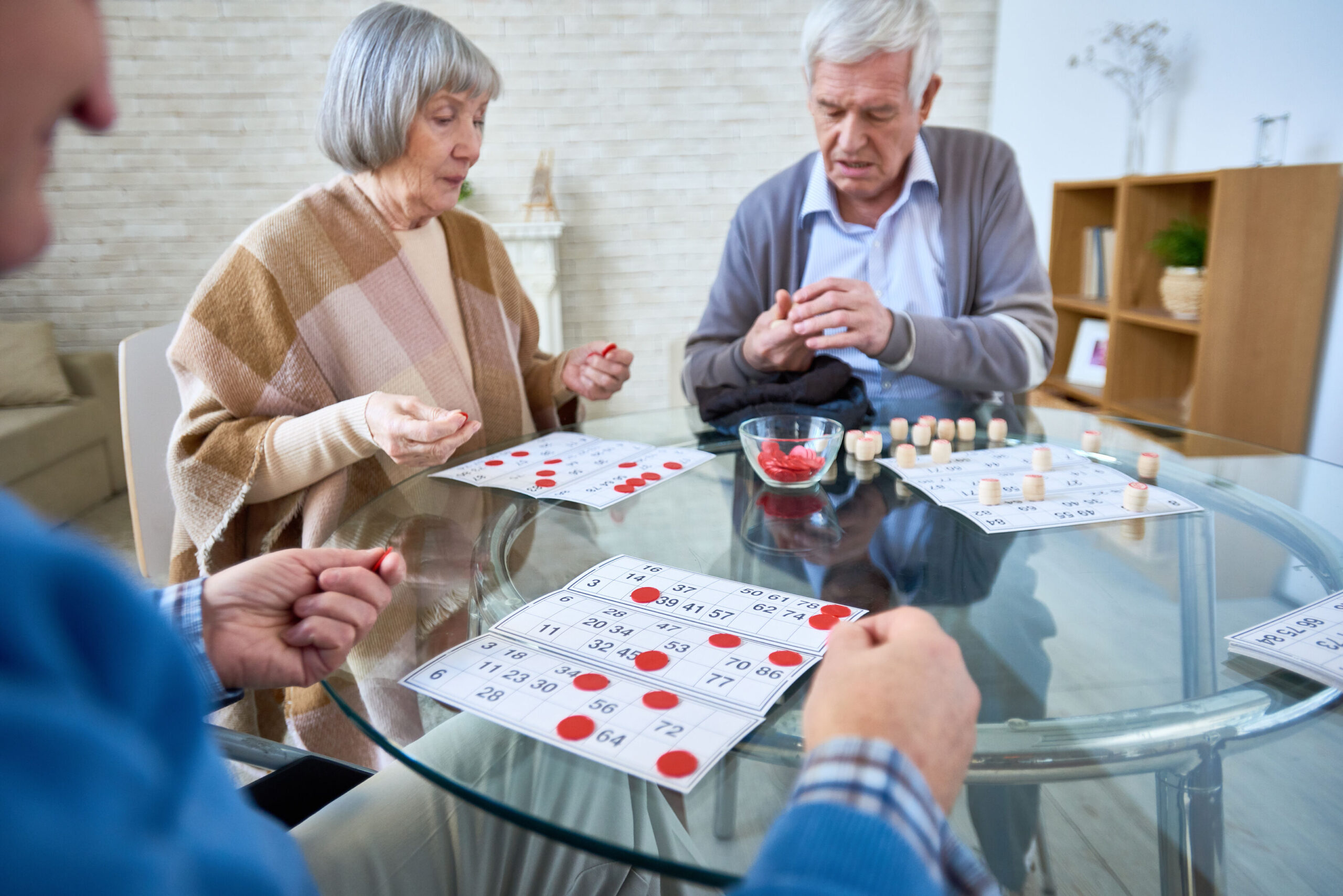
Shared activities restore purpose and motivation that isolation often erodes. Apathy is a common side effect of isolation. Seniors may abandon hobbies they once loved—such as gardening, cooking, or playing cards—because they lack the physical ability to do them alone or simply don’t see the point in doing them without someone to share the experience.
In-home care breathes new life into these interests. A caregiver can handle the heavy lifting in a garden while the senior does the pruning, or the caregiver can act as a sous-chef in the kitchen when preparing a favorite recipe. Engaging in these activities provides a sense of purpose and achievement. It shifts the focus from what the senior cannot do to what he or she can do, fostering a positive outlook and keeping the brain engaged.
Frequently Asked Questions
How can home care services prevent isolation?
Home care services provide companionship, social interaction, and support with activities, helping individuals stay connected and engaged.
What types of activities can caregivers do to reduce isolation?
Caregivers can assist with hobbies, accompany clients to social events, or facilitate virtual connections with family and friends.
Can home care services help with transportation for social outings?
Yes, many home care providers offer transportation services to help clients attend social gatherings, appointments, or community events.
How do home care services address emotional wellbeing?
Caregivers provide emotional support, meaningful conversations, and a sense of companionship, which can boost overall mental health.
Are there specific programs within home care to combat loneliness?
Some home care agencies offer specialized programs focused on social engagement, such as group activities or volunteer visitor programs.
If you have a senior loved one who needs help maintaining a high quality of life while aging in place, reach out to Assisting Hands Home Care, a leading provider of senior home care Milwaukee families can trust. Our caregivers help seniors focus on healthy lifestyle habits such as eating nutritious foods, exercising regularly, and maintaining strong social ties, and we offer mentally stimulating activities that can boost cognitive health and delay the onset of dementia. If your loved one needs professional care, Assisting Hands Home Care is here to help. To hire a compassionate, dedicated caregiver, call us today.