Table of Content
Social isolation is a significant health risk for older adults, comparable to the dangers of smoking or obesity. Fortunately, with a bit of planning and encouragement, you can help a senior loved one in your life build and maintain meaningful relationships that boost his or her mental and physical wellbeing. Here are some practical strategies to help your loved one stay engaged with the world around him or her.
Leverage Technology for Virtual Visits
While nothing replaces face-to-face interaction, technology creates a vital bridge when physical distance or mobility issues make visiting difficult. Video calling platforms like FaceTime, Zoom, and Skype allow seniors to see family members’ faces, which creates a much stronger emotional connection than a standard phone call.
If your loved one is intimidated by smartphones or computers, consider devices specifically designed for seniors, such as the GrandPad or simplified tablets with large icons. You can help by:
- Setting up the device and creating accounts for your loved one
- Writing down simple step-by-step instructions in large print
- Scheduling a recurring weekly video call so your loved one has a digital event to look forward to
- Teaching your loved one how to view photos on social media platforms to feel involved in the daily lives of grandchildren and distant relatives
Explore Local Senior Centers and Activity Clubs
Community centers are excellent resources for combatting loneliness because they bring together people in the same life stage who live nearby. Most local libraries, recreation centers, and places of worship offer calendars full of events tailored specifically for older adults.
Encourage your loved one to participate in activities that align with his or her past interests, or challenge him or her to learn something new. Common opportunities for social engagement include:
- Group exercise classes – Yoga, tai chi, or water aerobics classes keep seniors moving while providing consistent social groups.
- Hobby clubs – Knitting circles, book clubs, or gardening groups allow for conversation centered around a shared passion.
- Educational workshops – Many centers offer computer literacy classes or art workshops that stimulate the mind.
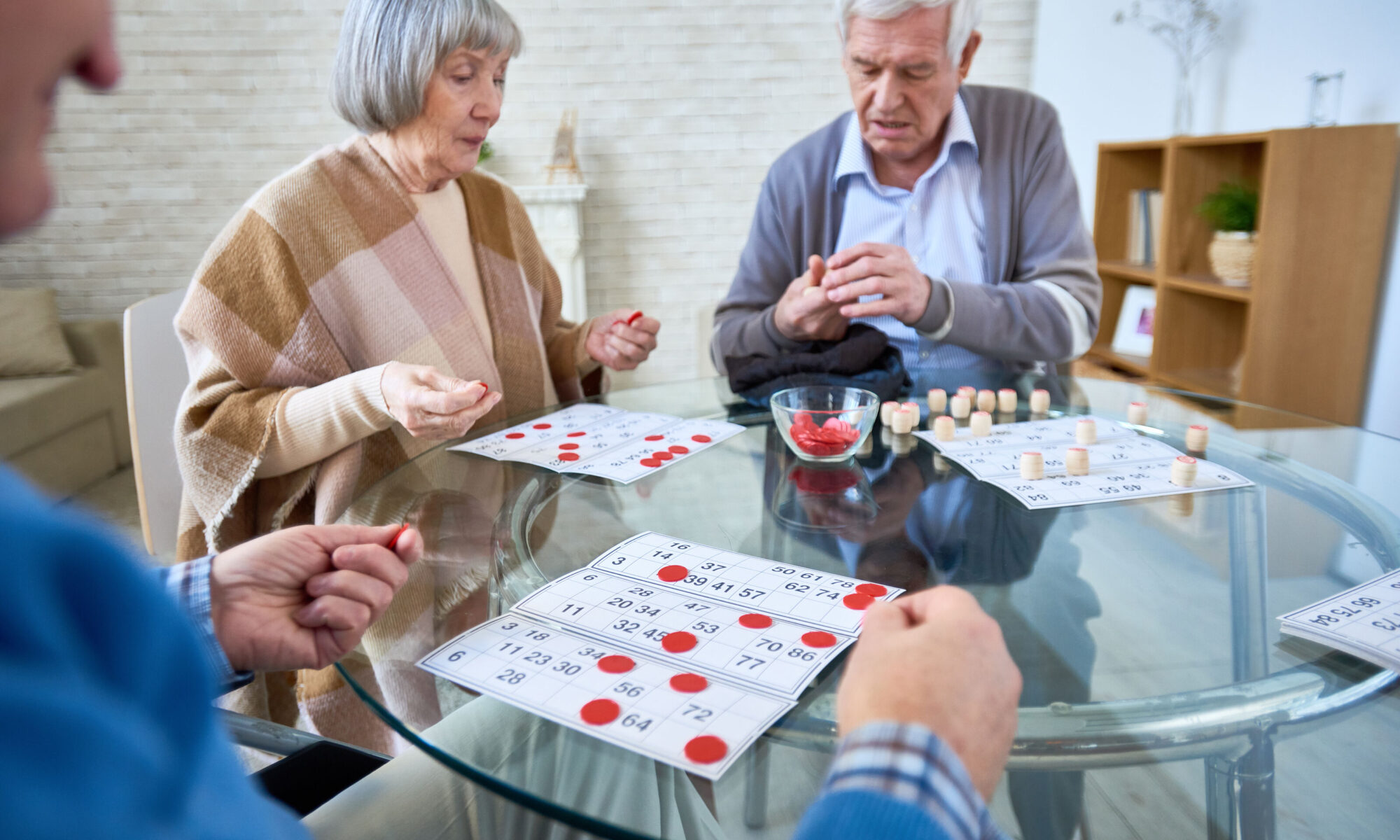
- Social events – Bingo nights, dances, and potluck lunches provide low-pressure environments to meet new friends.
Milwaukee respite care can be a wonderful solution for families when their aging loved ones need companionship and socialization a few hours a week or just need minor assistance with daily household tasks. At Assisting Hands Home Care, we thrive on helping seniors maintain their independence while living in the comfort of home.
Solve Transportation Barriers
One of the biggest hurdles to socialization for seniors is the loss of driving privileges or the inability to access public transit. When seniors can no longer drive, their worlds often shrink to the four walls of their homes. Removing this logistical barrier is essential for maintaining an active social life.
You can assist by researching and arranging reliable transportation options. Many communities offer paratransit services or discounted ride-sharing programs specifically for seniors. Alternatively, you might set up a rotating schedule with family members to drive your loved one to his or her weekly bridge game or coffee date. Knowing a ride is available gives your loved one the freedom to say “yes” to invitations without worrying about how he or she will get there.
If your loved one needs transportation to local club meetings and other social events, a home caregiver can be a wonderful asset. Homecare experts are available to provide high-quality care to Milwaukee seniors on an as-needed basis. From assistance with mobility and exercise to providing transportation to the doctor’s office and social events, there are a variety of ways professional caregivers can help your aging loved one continue to live independently.
Encourage Volunteering and a Sense of Purpose
Retirement often leads to a loss of identity and purpose, which can fuel withdrawal and depression. Volunteering offers a powerful antidote by providing structure to the week and a sense of being needed. When seniors contribute their time and skills, they naturally connect with other volunteers and community members.
Look for opportunities that match your loved one’s physical abilities and professional background. A retired teacher might enjoy reading to children at the library, while an animal lover might find joy in socializing cats at a local shelter. Even for those with limited mobility, tasks like making phone calls for a charity or knitting blankets for hospitals can provide a profound sense of connection and contribution.
Establish Consistent Family Traditions
Spontaneity can be stressful for some older adults, but routine provides comfort and anticipation. Establishing consistent family traditions ensures your loved one knows exactly when he or she will see you next, reducing anxiety about being forgotten.
These don’t have to be elaborate events. They could be standing Sunday night dinners, Wednesday morning coffee runs, or monthly movie nights. Consistency matters more than the activity itself. Involving younger generations is particularly beneficial. The bond between grandparents and grandchildren can be incredibly energizing for seniors, offering them a fresh perspective and a chance to share their stories and wisdom.
Aging in place can present a few unique challenges for older adults. Some only require part-time assistance with exercise or meal preparation, while others are living with serious illnesses. If your elderly loved one needs around-the-clock live-in care, turn to Assisting Hands Home Care Milwaukee. Our caregivers encourage seniors to focus on eating nutritious foods, exercising on a regular basis, maintaining strong social ties, and other lifestyle factors known to increase longevity. To learn about our high-quality in-home care services, give us a call today.