Table of Content
- 1 How Does Reminiscence Therapy Stimulate Cognitive Function in Dementia?
- 2 Why Does Reminiscence Therapy Boost Emotional Wellbeing?
- 3 How Does Reminiscence Therapy Preserve Identity and Self-Worth?
- 4 In What Ways Does Reminiscence Therapy Strengthen Social Interaction?
- 5 How Does Reminiscence Therapy Enhance the Caregiver–Patient Bond?
- 6 Frequently Asked Questions
Reminiscence therapy benefits dementia care by stimulating long-term memory, boosting emotional wellbeing, preserving personal identity, and strengthening social connection. By focusing on familiar past experiences rather than impaired short-term recall, this approach typically reduces anxiety, encourages engagement, and enhances quality of life for seniors living with dementia.
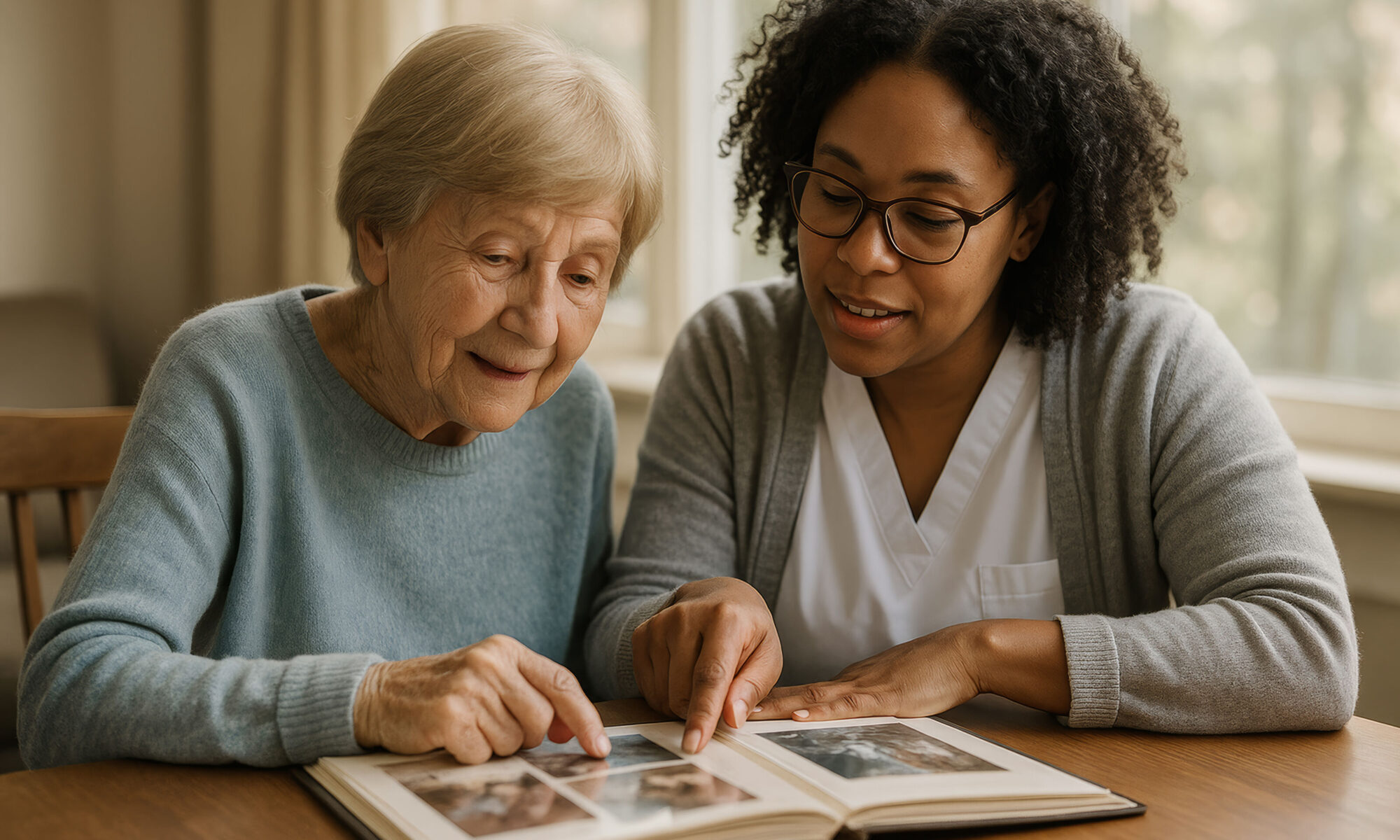
Dementia often feels like a slow fading of the present, yet reminiscence therapy offers a unique way to bridge the gap by focusing on the clarity of the past. This therapeutic approach involves discussing past activities, events, and experiences, usually with the aid of tangible prompts like photographs, music, or familiar household items. By tapping into long-term memories that typically remain intact longer than short-term recall, caregivers can significantly enhance a dementia patient’s quality of life.
How Does Reminiscence Therapy Stimulate Cognitive Function in Dementia?
One of the primary goals of dementia care is to maintain the senior’s current cognitive abilities for as long as possible. Reminiscence therapy serves as a gentle workout for the brain. Because the disease tends to erode recent memories first, asking a senior what he or she had for breakfast might cause distress or confusion. However, asking about the senior’s wedding day or his or her first car often yields a vivid, confident response.
Actively engaging these neural pathways stimulates mental activity. The process of recalling details, describing sensory experiences, and telling stories requires focus and concentration. This mental stimulation can slow the progression of cognitive decline in some individuals, keeping them more alert and engaged with their surroundings.
There are many reasons seniors might need assistance at home. Some may require regular mental stimulation due to a dementia diagnosis, while others might only need part-time assistance with exercise and basic household tasks. Assisting Hands Home Care is a leading Milwaukee in-home care provider. Families rely on our expertly trained caregivers to help their senior loved ones maintain a high quality of life.
Why Does Reminiscence Therapy Boost Emotional Wellbeing?
The confusion associated with dementia frequently leads to anxiety, depression, and agitation. The world can feel unfamiliar and frightening when short-term memory fails. Reminiscence therapy provides a sanctuary of familiarity. By revisiting happy times, dementia patients can experience feelings of comfort, joy, and success.
This emotional boost can manifest in several tangible ways:
- Reduced agitation – Engaging in calming, nostalgic conversations can lower stress levels and reduce aggressive behaviors.
- Mood elevation – Recalling pleasant memories releases feel-good neurotransmitters, combating the apathy often associated with the condition.
- Decreased reliance on medication – In some care settings, consistent engagement through therapy has reduced the need for pharmaceutical interventions to manage mood.
How Does Reminiscence Therapy Preserve Identity and Self-Worth?
A devastating aspect of memory loss is the gradual erosion of self. Seniors may forget their roles as parents, professionals, or partners, leading to a diminished sense of purpose. Reminiscence therapy validates their life histories. When seniors tell stories about their service in the military or their years as teachers, they’re reminded of their accomplishments and their contributions to the world.
This validation is crucial for self-esteem. It shifts the focus from what the senior cannot do (remembering the date or time) to what he or she can do (share wisdom and stories). It reinforces the idea that the senior is still the same person he or she always was, deserving of respect and recognition.
In What Ways Does Reminiscence Therapy Strengthen Social Interaction?
Communication often becomes difficult for those with dementia, leading to withdrawal and isolation. They may have difficulty following current conversations, causing them to retreat into silence. Reminiscence therapy levels the playing field. Because seniors are the experts on their own pasts, they can lead the conversation.
This naturally encourages socialization. In group therapy settings, shared experiences—such as memories of historical events or holidays—create bonds between residents. It turns a passive existence into an active social one, reducing the deep loneliness that often accompanies the disease.
Even when families have the best intentions, caring for a loved one with dementia can be challenging. Seniors living with serious health conditions often need extensive assistance in and outside the home. Assisting Hands Home Care is a trusted provider of around-the-clock Milwaukee live-in care. Our caregivers are expertly trained to assist seniors with bathing, grooming, light housekeeping, and various other daily tasks, and we also offer specialized Alzheimer’s, dementia, stroke, and Parkinson’s care.
How Does Reminiscence Therapy Enhance the Caregiver–Patient Bond?
For family members and professional caregivers, the relationship with a dementia patient can become transactional, focused entirely on feeding, bathing, and safety. Reminiscence therapy restores the human connection. It provides a structured way to interact that isn’t focused on medical needs or daily deficiencies.
For family members, hearing stories they may have never heard before—or revisiting cherished family lore—creates new positive memories even amid the progression of the disease. It allows the caregiver to see the person behind the diagnosis, fostering empathy and patience.
Frequently Asked Questions
What is reminiscence therapy, and how does it help individuals with dementia?
Reminiscence therapy involves recalling past experiences to stimulate memory, boost mood, and foster a sense of identity.
How do caregivers incorporate reminiscence therapy into home care?
Caregivers use photos, music, and meaningful objects to spark conversations and create engaging activities centered on past memories.
Can reminiscence therapy reduce anxiety or agitation in individuals with dementia?
Yes, revisiting positive memories can provide comfort and reduce feelings of stress or confusion.
What types of materials are used in reminiscence therapy?
Common materials include family photos, music from the individual’s era, personal mementos, and familiar scents or textures.
Is reminiscence therapy suitable for all stages of dementia?
Yes, it can be adapted to different stages, focusing on simple, familiar memories for those in advanced stages and more detailed recollections for earlier stages.
Aging in place can present a few challenges for seniors living with dementia. However, with professional dementia care that offers Milwaukee families peace of mind, they can still live independently at home. Families can rely on Assisting Hands Home Care to provide their elderly loved ones with mental and social stimulation, timely medication reminders, assistance with meal prep, and much more. Our caregivers are available around the clock to help your loved one live a happier and healthier life. To create a customized home care plan for your loved one, call Assisting Hands Home Care today.