Table of Content
- 1 Why Home-Based Cancer Care Matters
- 2 Creating a Safe and Supportive Environment
- 3 Practical steps include:
- 4 Medication and Symptom Management
- 5 Effective medication management tips:
- 6 Infection Prevention and Hygiene Control
- 7 Emotional and Psychological Wellbeing
- 8 Caregiver support strategies:
- 9 Balancing Caregiving and Family Life
- 10 What’s the Role of Professional Caregivers in Cancer Care?
- 11 Their responsibilities include:
- 12 Supporting Caregivers: The Importance of Self-Care
- 13 A Compassionate Approach to Cancer Care at Home
- 14 Frequently Asked Questions
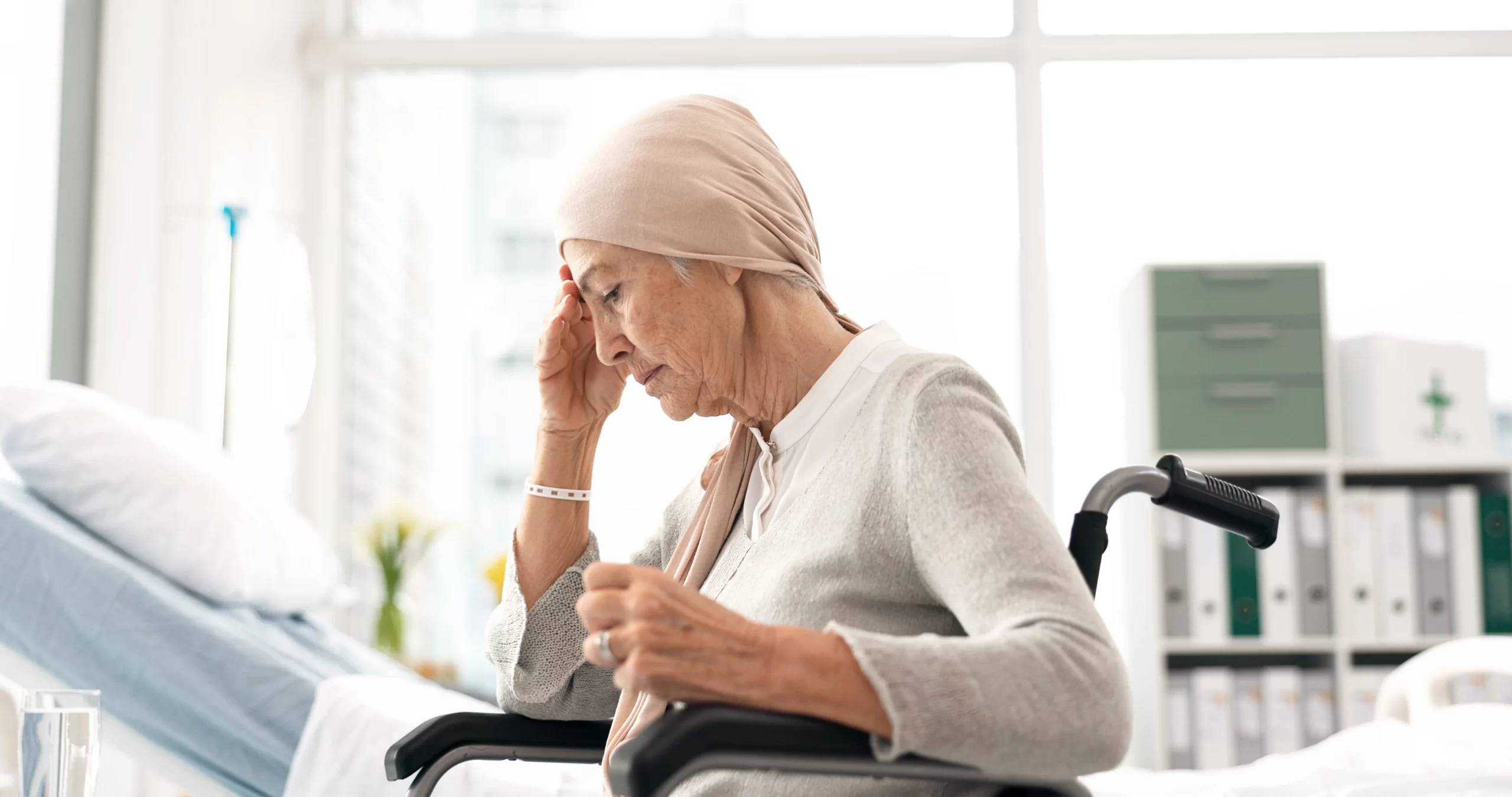
Receiving cancer care at home offers patients a comforting balance of medical attention and emotional familiarity. Instead of frequent hospital visits, many individuals now prefer care within their own homes surrounded by loved ones, personal belongings, and a sense of peace that clinical settings often lack. For families in need of home care, at-home support ensures cancer patients receive high-quality medical and emotional care without losing their independence.
Why Home-Based Cancer Care Matters
Studies show cancer patients recovering at home often experience lower stress levels, enhanced sleep, and better emotional wellbeing. Home care allows them to continue familiar routines, meals, favorite activities, and interactions with family, all of which play an important role in maintaining motivation and hope.
Moreover, with advanced medical technology and trained caregivers, much of what used to require hospital stays can now safely be provided at home, from medication management to symptom monitoring and palliative support.
Creating a Safe and Supportive Environment
A safe home environment is the foundation of effective cancer care. Cancer patients undergoing chemotherapy or radiation therapy are more vulnerable to infections, fatigue, and emotional stress. Caregivers should focus on maintaining hygiene, comfort, and positive surroundings.
Practical steps include:
- Regular cleaning and disinfection of high-touch areas
- Ensuring proper ventilation and minimizing exposure to smoke or dust
- Keeping emergency contacts and medication lists easily accessible
- Using adaptive equipment such as adjustable beds, handrails, or mobility aids
These simple measures significantly reduce risks and enhance quality of life.
Medication and Symptom Management
Cancer treatments often involve complex medication schedules, from chemotherapy drugs to pain relief and nutritional supplements. Proper tracking is essential to avoid missed or incorrect doses.
Effective medication management tips:
- Use a digital or physical medication chart.
- Separate daily doses with labeled organizers.
- Track any side effects such as nausea, fatigue, or dizziness.
- Communicate regularly with healthcare providers for adjustments.
Many families choose professional hourly care or live-in care for continuous oversight, especially when managing multiple medications or advanced treatment plans. Trained caregivers can handle dosage timing, monitor reactions, and provide comfort during challenging moments.
Infection Prevention and Hygiene Control
Cancer patients undergoing chemotherapy or immunotherapy have weaker immune systems, making infection prevention critical. Cleanliness and hygiene must become part of the daily care routine.
| Home Care Practice | Purpose | Expected Benefit |
| Regular surface disinfection | Reduces bacterial contamination | Fewer infection incidents |
| Frequent handwashing & use of gloves | Prevents cross-contamination | Increased safety |
| Mask use during visitor interactions | Minimizes exposure risk | Better immune protection |
| Balanced nutrition & hydration | Supports immune recovery | Faster healing & strength |
Maintaining these standards consistently can lower infection-related hospital readmissions by nearly 40%.
Emotional and Psychological Wellbeing
Cancer not only affects the body—it deeply impacts the mind. Anxiety, fear, and fatigue are common, and emotional care is as vital as physical treatment.
Caregiver support strategies:
- Encourage open conversations about feelings and progress.
- Introduce relaxation methods like deep breathing, music, or journaling.
- Celebrate small victories to boost morale.
- Maintain social connections through video calls or visits from close friends.
A nurturing environment helps cancer patients sustain hope and resilience essential for recovery and comfort during difficult days.
Balancing Caregiving and Family Life
Caring for a loved one with cancer can be emotionally overwhelming and physically exhausting. Many family caregivers find themselves balancing household responsibilities, work commitments, and the complex needs of cancer care all at the same time. Professional support services, such as hourly care for flexible assistance or live-in care for around-the-clock support, can ease this burden significantly. These services ensure your loved one receives expert, compassionate care while giving you the time, rest, and peace of mind you desperately need.
These services allow trained professionals to handle medical routines, while family members focus on emotional connection and companionship. Families often find that even a few hours of professional help per day can significantly reduce stress and boost their loved one’s wellbeing.
What’s the Role of Professional Caregivers in Cancer Care?
Professional caregivers are trained to manage the specific needs of cancer patients, from symptom monitoring to emotional reassurance. Their expertise ensures cancer patients receive consistent, high-quality care at every stage.
Their responsibilities include:
- Managing medical devices like infusion pumps or feeding tubes
- Recording vital signs and reporting unusual symptoms
- Providing mobility assistance and personal hygiene support
- Offering companionship and emotional comfort
By combining medical skill with empathy, professional caregivers help families navigate the complexities of cancer care more confidently.
Supporting Caregivers: The Importance of Self-Care
Family caregivers often overlook their own health while focusing on loved ones. However, self-care is a necessity, not a luxury.
Tips for caregivers:
- Schedule regular breaks or rest periods.
- Eat nutritious meals and stay hydrated.
- Engage in light exercise or meditation.
- Seek help from family, friends, or respite care services.
A healthy caregiver provides better care and ensures emotional stability for everyone involved.
A Compassionate Approach to Cancer Care at Home
Providing cancer care at home is more than managing treatment, it’s about preserving dignity, comfort, and humanity. With professional support, structured routines, and a compassionate mindset, cancer patients can continue living meaningful lives surrounded by love.
Whether through short-term assistance, 24-hour care, or live-in care, families in Milwaukee can ensure their loved ones receive the highest level of comfort and personalized attention right where they feel safest—at home.
Frequently Asked Questions
How can I make a cancer patient comfortable at home?
+
Comfort for a cancer patient at home comes from a combination of physical, emotional, and environmental support. Key strategies include:
- Creating a quiet, clean, and temperature-controlled space
- Using supportive pillows, adjustable beds, and mobility aids for physical comfort
- Managing pain and medication schedules carefully, tracking side effects
- Providing emotional support through conversations, music, or hobbies
- Maintaining daily routines to provide a sense of normalcy
- Encouraging gentle activity and light exercise as tolerated
Professional caregivers providing live-in care can offer continuous support to ensure both comfort and safety.
What’s the 62-day rule for cancer?+
The 62-day rule is a guideline used in many healthcare systems to ensure timely treatment. It states that a patient diagnosed with cancer should begin the first definitive treatment within 62 days of an urgent referral from a general practitioner (GP). This reduces delays in treatment, improves outcomes, and ensures early intervention for potentially aggressive cancers.
What are the five most common coping strategies that have been identified for cancer patients?+
Cancer patients often face emotional, physical, and social challenges. Research and practice have identified five common coping strategies:
- Seeking social support – Family, friends, or support groups
- Cognitive reframing – Focusing on positive aspects or achievable goals
- Relaxation techniques – Meditation, deep breathing, or mindfulness
- Engaging in normal routines or hobbies – Reading, light exercise, or creative activities
- Professional counseling or therapy – To address anxiety, depression, or fear
What are the 3 Cs of cancer?+
The 3 Cs of cancer are often taught as a guide for holistic management:
- Care – Providing consistent and compassionate attention to physical and emotional needs
- Comfort – Ensuring the patient’s environment and treatment approach reduce pain and stress.
- Communication – Keeping open and honest dialogue among patients, caregivers, and healthcare professionals
What do cancer patients need the most?+
While each patient’s needs vary, the most essential aspects for cancer patients at home include:
- Emotional support – Empathy, understanding, and reassurance
- Consistent medical care – Proper medication, symptom monitoring, and professional guidance
- Safety and comfort – Hygienic, well-organized home environment with mobility support
- Sense of normalcy – Maintaining routines and independence as much as possible
- Connection with loved ones – Family involvement and social interaction to reduce isolation